Journal
Reading the Wick Before the Body
Why upper and lower shadows often carry more decision weight than the candle body when price revisits a prior range.
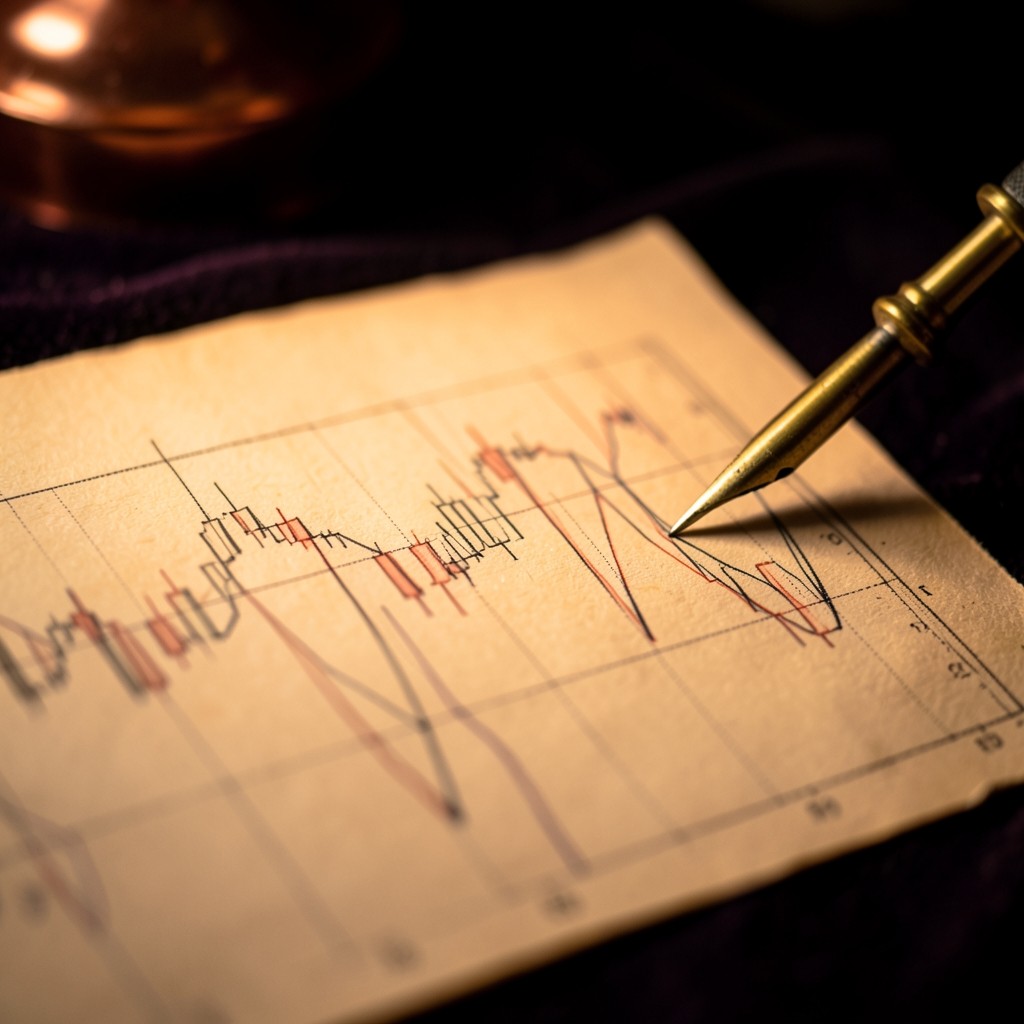
Most new chart readers fixate on candle colour. In practice, the wick often tells you where participation failed before the body settles.
When price prints a long upper shadow into a known supply band, the body may still close green. That green close does not erase the rejection. It records that buyers finished the period in control while sellers already showed their hand higher up.
In our studio drills we ask students to narrate the wick first: who was trapped, where the rejection began, and whether the next open respects that memory. Only then do we discuss the body.
A useful habit on Hong Kong morning opens is to mark the prior afternoon’s extreme wicks in a softer pencil. If the new session’s first hour retests those tips without acceptance, the older wick still matters.
Try this on a single instrument for five sessions: ignore colour for the first pass. Speak only about shadow length relative to the average true range of the last twenty bars. You will notice how often the body merely confirms what the wick already announced.